Table Of Content

This will be somewhere below the fastest possible speed the vessel can reach. The fastest ocean liner ever, SS United States, broke the transatlantic ship’s speed record on her maiden voyage in July 1952. With an average speed of 35.59 knots, the ship made the crossing in 3 days, 10 hours, and 40 minutes—a record that still holds today. Whether you’re used to measuring speed in miles per hour or kilometers per hour, hearing a cruise ship’s speed in knots might not immediately click with you.
Cruise Ship Fuel Usage: Size Vs. Efficiency
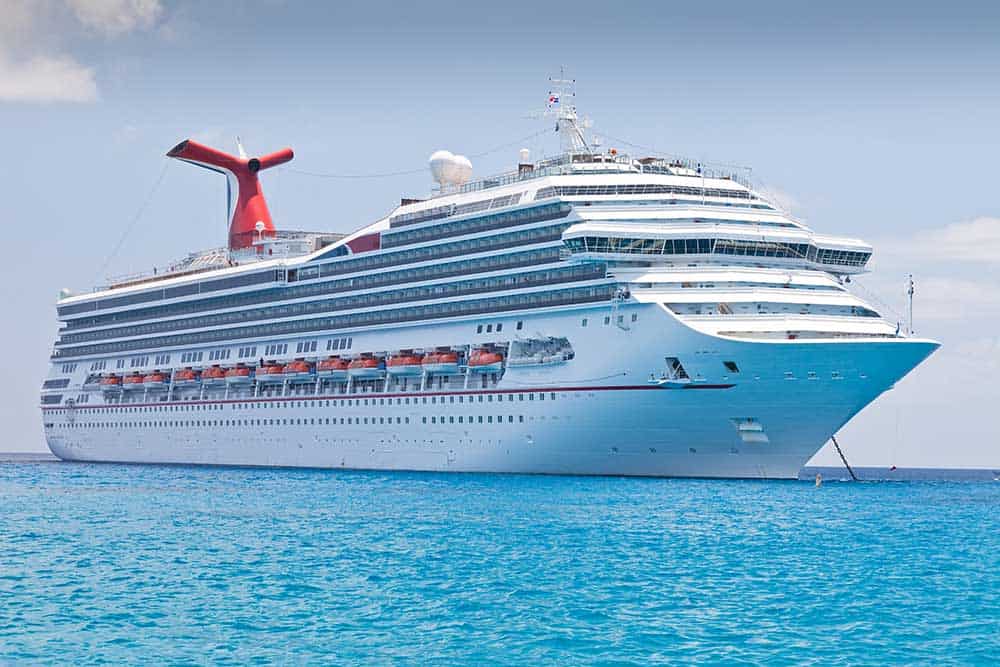
The more horsepower the engines have, the more power they can generate, and the faster the ship can travel. However, it’s important to note that cruise ships don’t always travel at their maximum speed. They often travel at a slower speed to conserve fuel and reduce costs. A modern cruise ship typically travels at a speed of about 20 knots (23 miles per hour) throughout the day and night. It’s important to note that there isn’t a significant difference in the speed of cruise ships during the day versus nighttime. Contrary to popular belief, cruise ships do not go faster at night.

Why don’t cruise ships go faster?
She even studied abroad on Semester at Sea, sailing the world on a ship while taking courses for college and visiting 4 continents. Usually, port fees are a summation of a few different fees, such as the per-passenger fee (head tax), docking fee, and pilot fee. Cruise ships typically have bow thrusters that sit along the ship’s bow and are essentially locked in position. So, if you’re interested in how cruise lines operate and what affects ship speed, keep reading. But fast speeds are still needed in the case of an onboard emergency, or to outrun bad weather.
How Fast Do Wooden Ships Go?
Marella cruise ships usually sail at an average speed of 12 knots. The MSC Virtuosa travels at 20 knots making it one of the fastest cruise ships in the world. Measuring 692ft long and weighing 120,000 tons, the MSC Virtuosa offers all-suite accommodations for just over 1000 people.
How do cruise ships maintain their speed?
One of the biggest cruise ships in the world is the 1,181-foot Oasis of the Seas. This gigantic vessel travels at a cruising speed of 20.2 knots per hour, but it can reach a maximum speed of 23.8 knots. Larger cruise ships, especially those in the luxury and mega-ship categories, often have more powerful engines and streamlined designs, allowing them to achieve higher maximum speeds.
You may be surprised to learn that cruise ships can go faster than they actually do but choose not to. To put that into perspective, one knot is about 1.15 regular miles per hour (the speed measurement we use on land). So, when you’re comparing speed in different contexts—on land, air, or sea—remember that the units of measurement aren’t the same. Learning about this is your first-class ticket to the nautical lingo club. This is impressive considering the massive size of most cruise ships these days.
How to Find the Best Cruise Deals, According to Travel Experts - Travel + Leisure
How to Find the Best Cruise Deals, According to Travel Experts.
Posted: Sun, 21 Jan 2024 08:00:00 GMT [source]
What’s the average speed of a cruise ship?
Passenger comfort is another essential aspect affected by cruise ship speed. Operating at an appropriate speed helps to minimize the impact of rough seas and unfavorable weather conditions, providing a stable and smooth journey for passengers. By navigating at a speed that mitigates excessive swaying and vibrations, cruise lines prioritize the comfort and well-being of their guests, ensuring a pleasant onboard experience. While cruise ships have the potential to reach higher speeds, they usually operate at their average cruising speed for efficiency and passenger comfort.
When do cruise ships reach close to maximum speed?
Ships are designed to minimize the effects of motion sickness by employing advanced stabilization techniques. Furthermore, maintaining a steady and comfortable speed ensures a smoother and more enjoyable voyage for passengers. In comparing the Titanic and modern cruise ships, it’s evident that there have been significant improvements in passenger comfort and safety over the years.
Similarly, ocean currents can either assist or hinder a ship’s speed, depending on their direction and strength. Cruise lines closely monitor weather forecasts and plan routes accordingly to optimize speed and fuel efficiency. Currently, all cruise ships use propellers or screws to push the vessel through the water or to go in reverse. Airplanes require very fast propeller speeds to move through the air.
A fast wooden ship had a service speed of between 13 and 17 nautical miles per hour. The USS Constitution, for example, capped out at 13 nautical miles per hour. Meanwhile, the famous Cutty Sark reached a top speed of 17.5 knots.
By using the Azipods and bow thrusters together, cruise ship captains can easily navigate ports and other tight areas that cruise ships travel. Below, we answer all of your questions on speed and cruise ships. We’ll talk about the different variables that affect speed and see how cruise ships compare to other ocean-going vessels. In short, the cruising speed of a ship dramatically depends on the ship’s size and design.
In fact, some countries have laws regarding maximum speeds which vary depending upon the type of vessel involved. For instance, ships with an overall length exceeding 300 feet cannot exceed 30 knots while vessels measuring up to 200 feet long can reach 35 knots. Another reason cruise ships don’t go faster is to minimize motion and sea sickness and ensure passengers have a smooth journey. While they want passengers to feel like they’re on a cruise ship, it’s also nice to be so comfortable that they forget they’re on a cruise ship. Most cruise ships sail around 20 knots per nautical mile, which translates to 23 miles per hour on land.
At the same time, cruise ships have a schedule they need to keep. Additionally, it’s essential to understand the terminology used when discussing a ship’s speed. To learn more about what a knot is and how it relates to speed, check out our article explaining how fast a knot is. Cruise ships can go faster when they’re going in the same direction as the waves. However, rather than waiting for the right sea conditions to break speed records, cruise lines always use an average that factors in going both with and against the waves. When a cruise ship goes faster, the ride also becomes bumpier for the passengers.
For example, a faster ship could enable passengers to spend more time exploring the best Mayan ruins in Costa Maya, Mexico, providing an unforgettable experience. For these reasons, cruise ships mostly operate at a standard cruising speed that strikes a balance between safety and efficiency. You’ll also notice the ship travels slower when you’re approaching a new harbor and pulling into the port. If you do happen to arrive early, the ship may even drop anchor off-shore until it’s time to dock. These are common precautions that ensure the safety of everyone on board.


No comments:
Post a Comment